Ear Wax: When to Leave It Alone and When to Treat It Safely
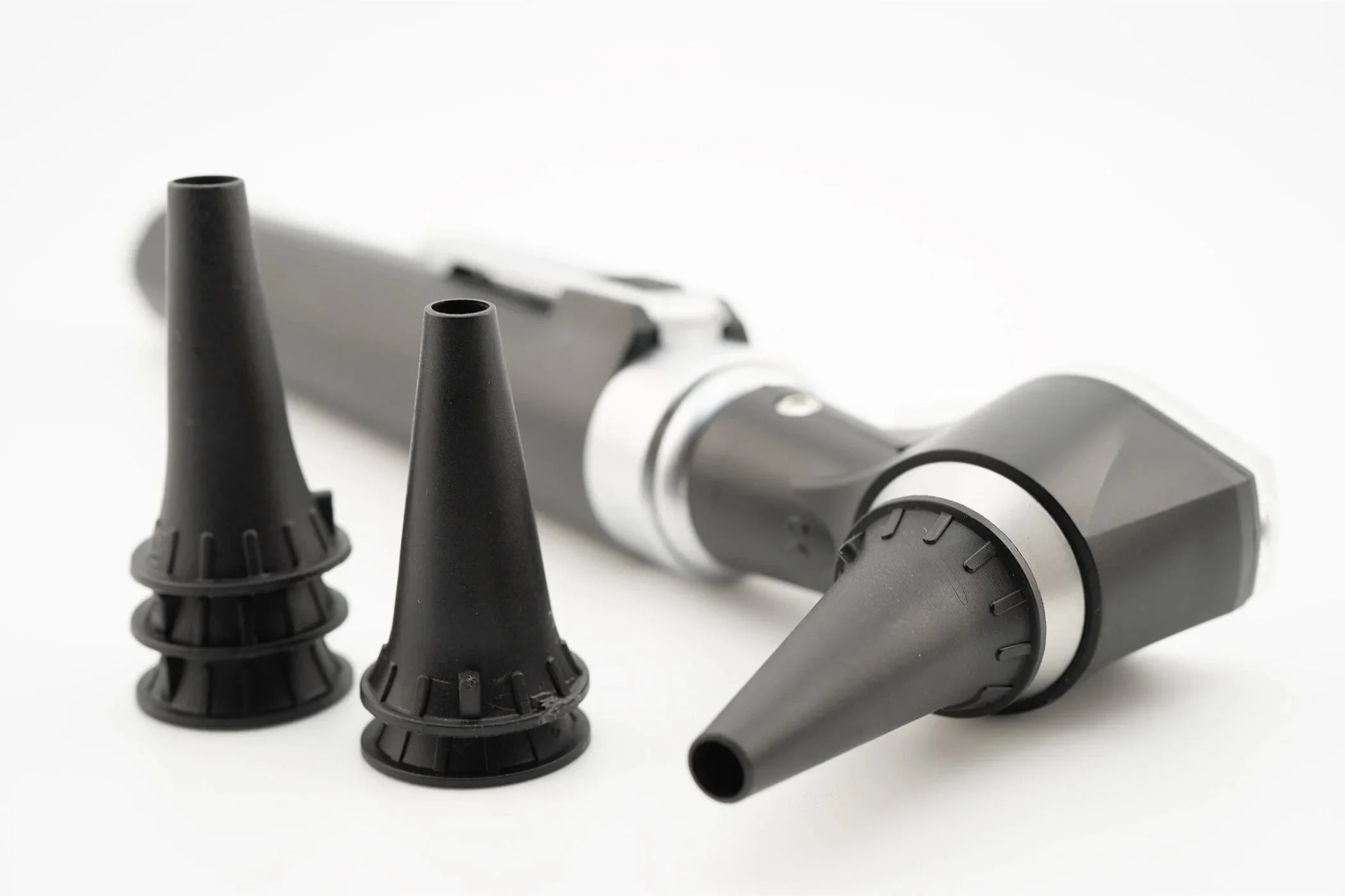
Ear wax is one of those things many people feel embarrassed about, yet it is a completely normal and healthy part of ear health. In fact, during a comprehensive audiologic evaluation, one of the first things I do is examine the external auditory canal. This simple visual inspection provides important information. It helps ensure that hearing testing will be accurate, confirms that the ear is safe to evaluate when insert earphones are used, and allows me to see whether wax in the ear canal could interfere with hearing or affect the performance of a hearing aid.
Over the years, I have found that many patients apologize the moment I look in their ears, as though visible wax reflects poor hygiene or a lack of care. I always reassure them that this is not the case. Ear wax, also called cerumen, is a normal substance that the body naturally produces, and in most cases, its presence is actually a sign that the ear is functioning as it should.
Ear wax serves several important purposes. It helps protect the delicate skin of the ear canal, preventing dryness and irritation. It also traps dust, debris, and other particles before they can travel deeper into the ear. In addition, ear wax has protective properties that help slow the growth of bacteria and fungi. Under normal circumstances, older wax gradually migrates outward and falls away on its own. In this way, ear wax functions as the ear’s natural cleaning and defense system.
Because ear wax is beneficial, routine removal is usually unnecessary unless it is causing symptoms or blocking the ear canal. Problems arise only when wax accumulates excessively or becomes too firm to move out naturally. This is known as cerumen impaction. When that happens, a person may notice reduced hearing, a feeling of fullness in the ear, ringing, itching, dizziness, discomfort, or sometimes even pain.
One of the most common reasons wax becomes impacted is the attempt to clean the ears at home. Cotton swabs, hairpins, and other objects may seem helpful, but they often push wax deeper into the canal rather than removing it. This can lead to blockage, irritation, and even injury. Over-cleaning can also strip away too much of the ear’s natural protection, leaving the canal dry and more vulnerable to irritation or infection.
If ear wax is not causing symptoms, it often does not need treatment at all. In many cases, the best approach is simply to leave it alone. When treatment is necessary, options may include drops to soften the wax, gentle irrigation, or professional removal using specialized instruments or suction.
Some home remedies are available, but I always encourage patients to proceed carefully. Home treatment is not appropriate for everyone. Anyone with ear pain, drainage, a known hole in the eardrum, prior ear surgery, ear tubes, diabetes, certain skin conditions affecting the ear canal, or a weakened immune system should be evaluated by a medical provider before attempting treatment at home.
Over-the-counter earwax softening drops can sometimes help with excessive wax, although softening the wax is often only the first step. In many cases, the wax must still be gently flushed from the ear canal. When irrigation is used, sterile or distilled water may be the better choice, as it can reduce the chance of introducing irritants or contaminants into an already sensitive ear canal. For many patients, especially those with symptoms or a more complicated ear history, professional removal by a medical provider is the safest option.
Cotton swabs should be avoided entirely. They often worsen the problem by pushing wax deeper into the ear, and they carry a real risk of injury to the ear canal and eardrum. In previous clinical settings, I have seen patients accidentally perforate the eardrum with cotton swabs, resulting hearing loss.
The most important message is this: ear wax is nothing to feel ashamed of. It is a normal, protective, and beneficial part of ear health. Most of the time, it is helping far more than it is harming. Only when it becomes impacted or causes symptoms does it require attention.
A simple rule is worth remembering: if ear wax is not causing symptoms, leave it alone; if it is causing problems, treat it safely.